Enabling Better Customer Experiences: Digital Identity in Action
How can digital identity make customer experiences simpler, safer and more useful — without leaving…
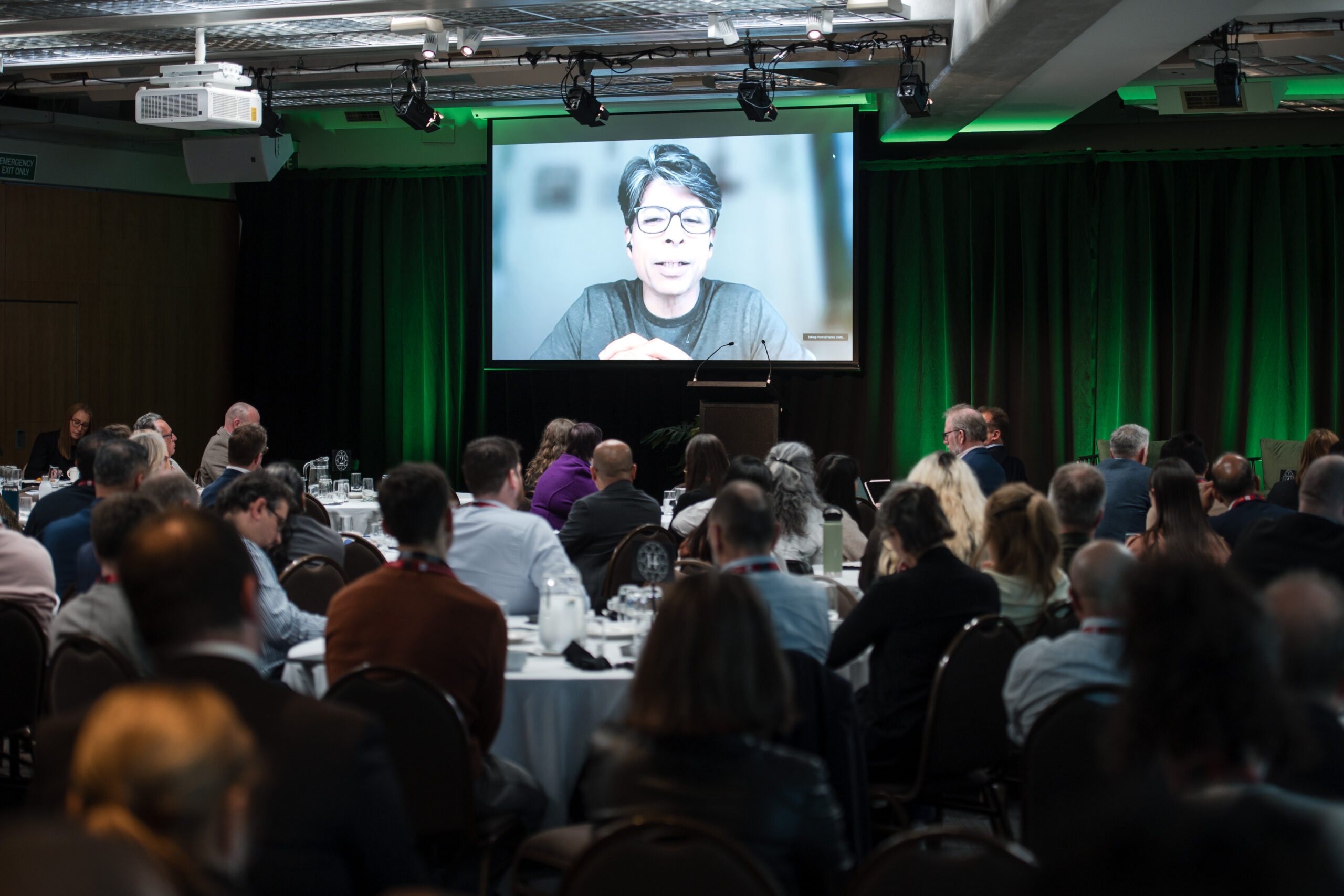
Dr Pramod Varma shared India’s experience building population-scale digital public infrastructure and explored what open, interoperable foundations can mean for economies facing rapid technological change.
His keynote focused on the importance of infrastructure that enables people, small and medium businesses, entrepreneurs and communities to participate in the digital economy — rather than concentrating power in closed platforms.
“It’s our duty and job to make sure that the underlying infrastructure remains open and allows small medium businesses, individuals, entrepreneurs all to play into that economic growth rather than a chosen few.”
Dr Varma described foundational capabilities including identity, payments and data sharing. He said the Aadhaar identity project enrolled 1.4 billion people and enabled 600 million people to open bank accounts for the first time. He also said India’s UPI payments infrastructure processes 33 billion transactions every month.
The lesson was not that countries should replicate India’s systems. Instead, he encouraged leaders to distinguish between common infrastructure and the services built on top of it. Governments and regulators can support open standards, protocols and governance, while private organisations build services that compete and innovate.
“Apps can be built by anyone, but the underlying infrastructure side for the standards itself is open.”
Dr Varma pointed to opportunities across commerce, mobility, agriculture, energy, tourism and trade. The opportunity for Aotearoa is to invest in open foundations that support trust, competition and local innovation, while keeping people and businesses in control of the value they create.
How can digital identity make customer experiences simpler, safer and more useful — without leaving…

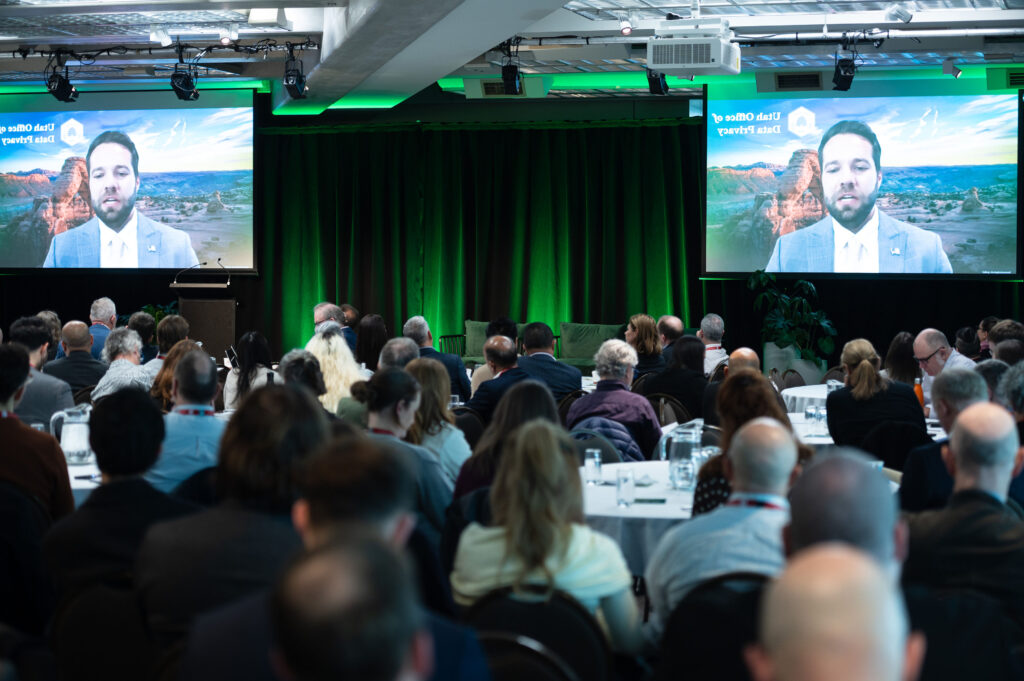
Christopher Bramwell, Chief Privacy Officer for the State of Utah, offered a global perspective on…
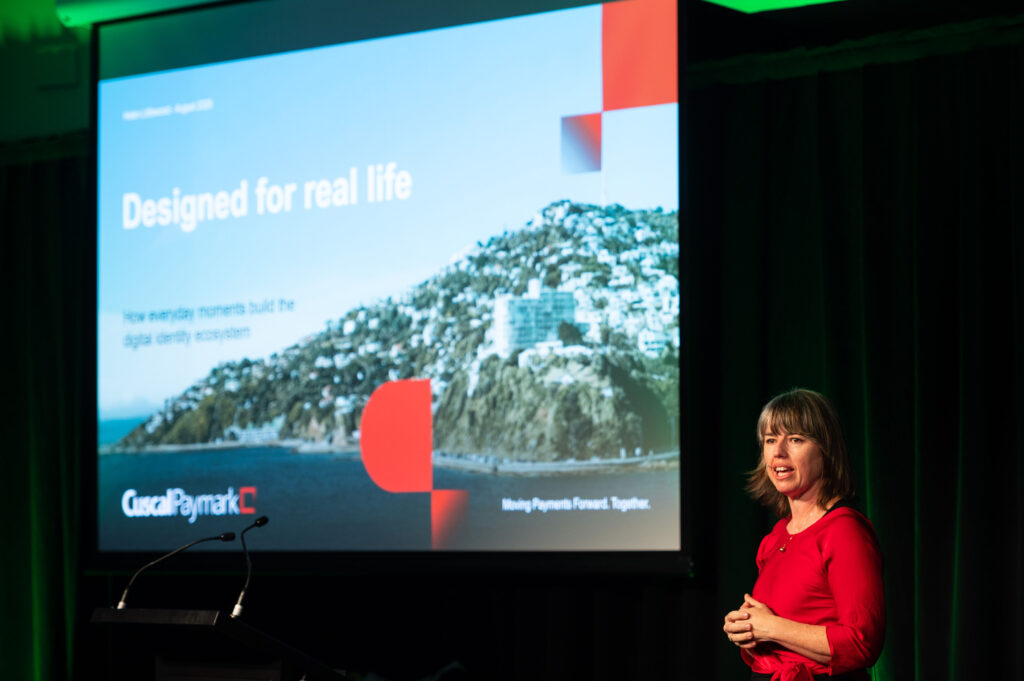
For digital identity to become part of everyday life, it needs to work in the…