Digital identity requires governance that puts people first
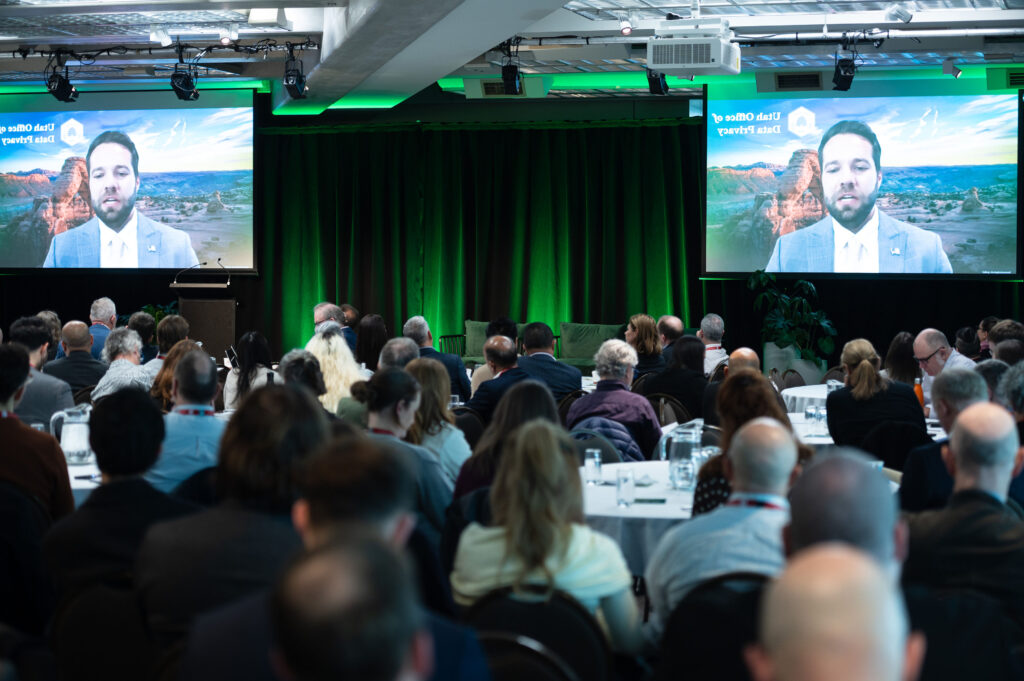
Christopher Bramwell, Chief Privacy Officer for the State of Utah, offered a global perspective on…
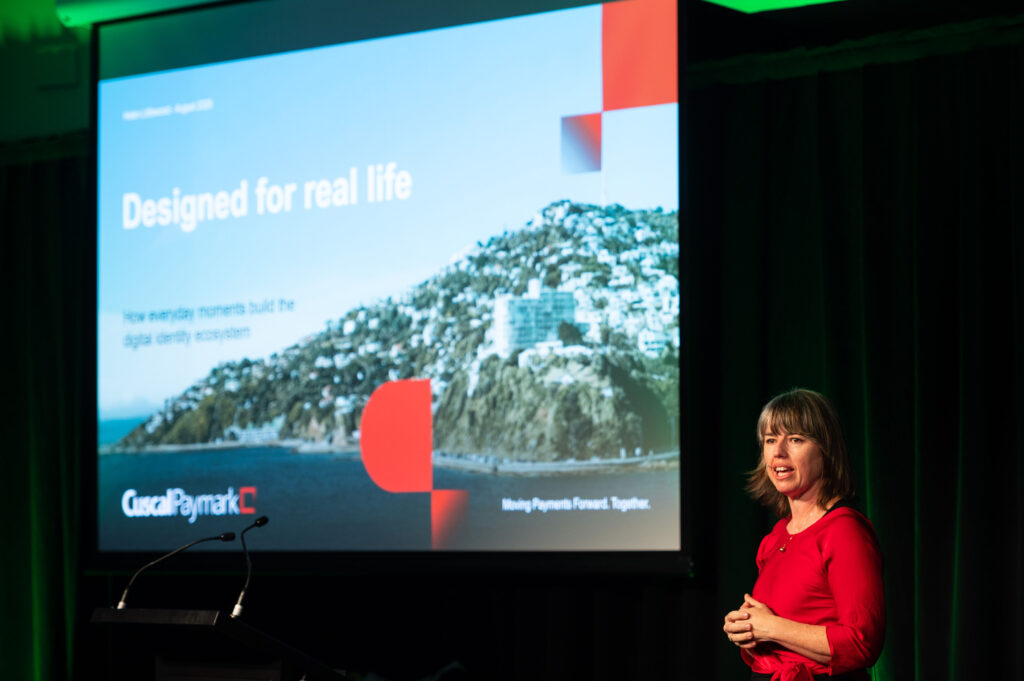
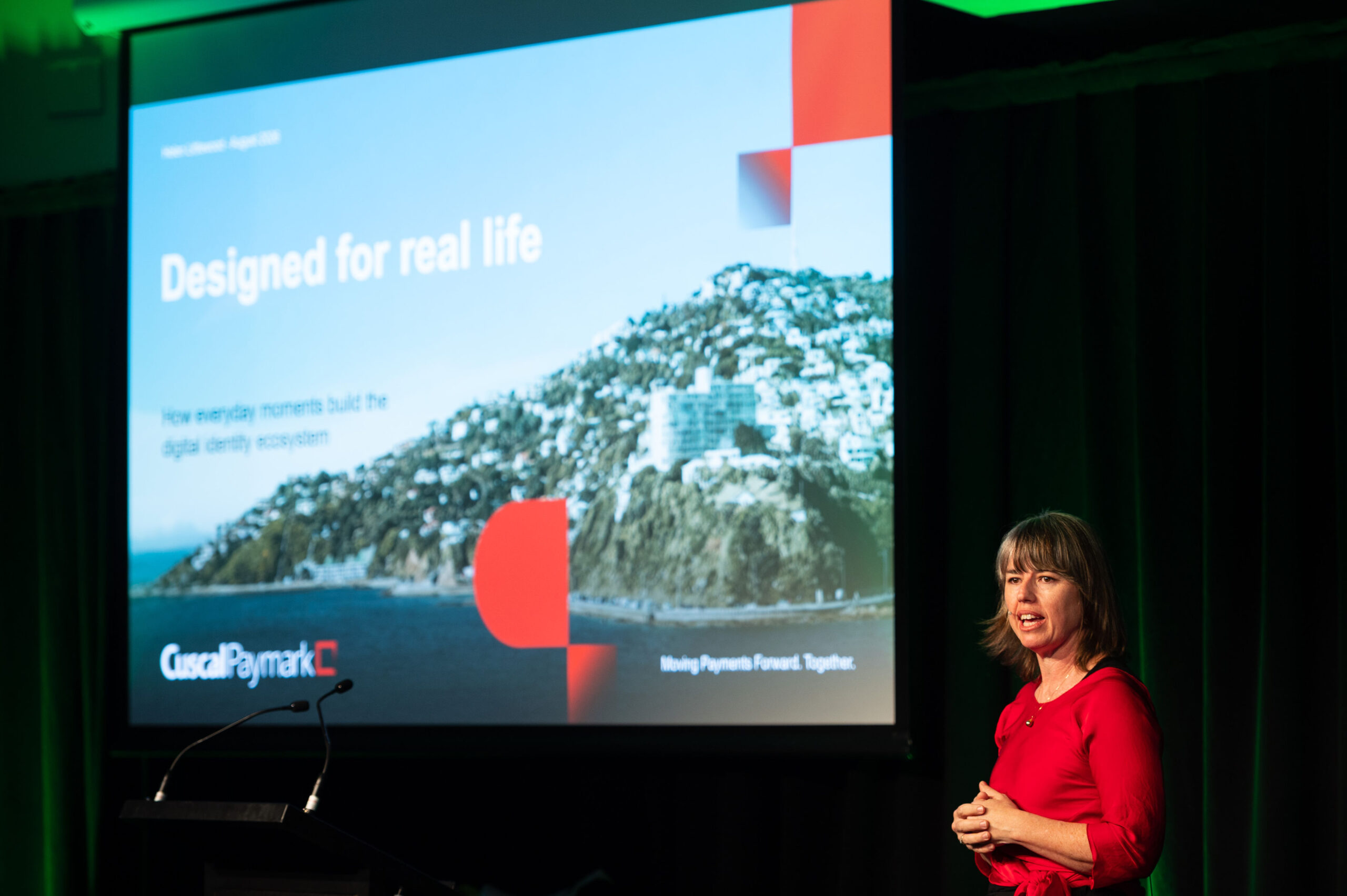
Helen Littlewood, Cuscal Paymark
For digital identity to become part of everyday life, it needs to work in the moments that matter to people. Helen Littlewood of Cuscal Paymark described this as the “Friday night test”.
The example is simple: someone walks into a bar, proves they are old enough to buy a drink using a digital credential, and pays. The experience is easy for the customer, the venue and its staff. But behind that moment sits years of work on regulation, accreditation, credential issuance, wallets and acceptance infrastructure.
“The Friday night test is something that means that Ben can walk into a bar. He can buy a beer, he can use his digital identity, and the operator is happy. Ben’s happy, and it’s legal.”
Littlewood’s message was that real-world adoption depends on bringing these pieces together into experiences people value. Retailers, venues and events are central because they are where people already are — and because they must demonstrate regulatory compliance.
Cuscal Paymark is working to extend its payments acceptance network into a digital identity acceptance network, using terminals already deployed across New Zealand. The goal is not a one-off age-verification product, but a foundation for other uses including onboarding, loyalty and consent-based data sharing.
“We are not building for a single use case.”
The Friday night test offers a practical measure for the ecosystem: people should not need to understand the technology behind a digital identity interaction. They need to know that it is safe, secure, compliant and works.
Christopher Bramwell, Chief Privacy Officer for the State of Utah, offered a global perspective on…
For digital identity to become part of everyday life, it needs to work in the…
The opening keynote at Digital Trust Hui Taumata 2026 explored how Aotearoa can embrace AI…